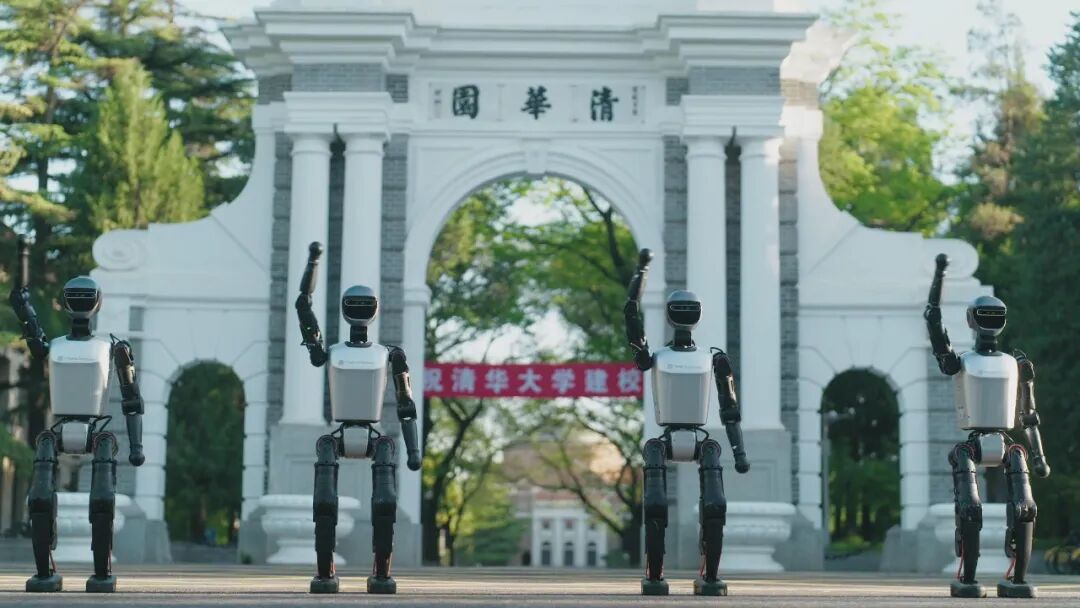
From robot dogs to full-scale humanoids, from mechanical control to reinforcement learning, this is the story of how the Tsinghua team has pursued innovation in robotics step by step.
RoboCup: Kicking Off with Intelligence
Two humanoid robots dash across a green field, passing, dribbling, and shooting with remarkable coordination. The scoreboard soon reads 9–0. In the AdultSize final of the RoboCup Open held in Germany, Tsinghua University's Huoshen team claimed a dominant victory over the host team, Germany’s Sweaty, securing the championship with an overwhelming performance. Behind this team stands Professor Zhao Mingguo, who has led this research group for over two decades.
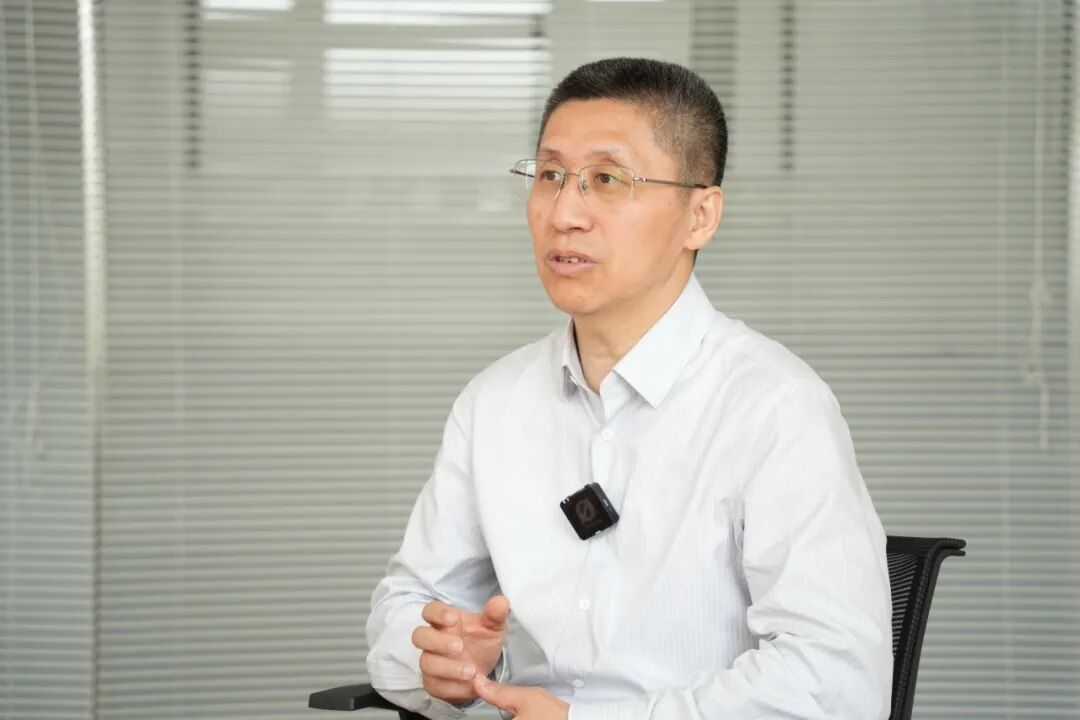
The name of the team “Huoshen” (The Fire God) also contains unique considerations behind it. “In mythology, the fire god is a craftsman,” Zhao said. “The team's name 'Huoshen' reflects what we do, like building both the software and the hardware. ”
Founded in 2004, the Huoshen team is based in the Robot Control Laboratory at Tsinghua’s Department of Automation. It brings together undergraduate students, graduate researchers, and faculty into a long-standing collaboration focused on humanoid robotics and embodied intelligence. While competitions are the team’s most visible output, their goal runs deeper: to push the boundaries of robotics through education, engineering, and innovation.
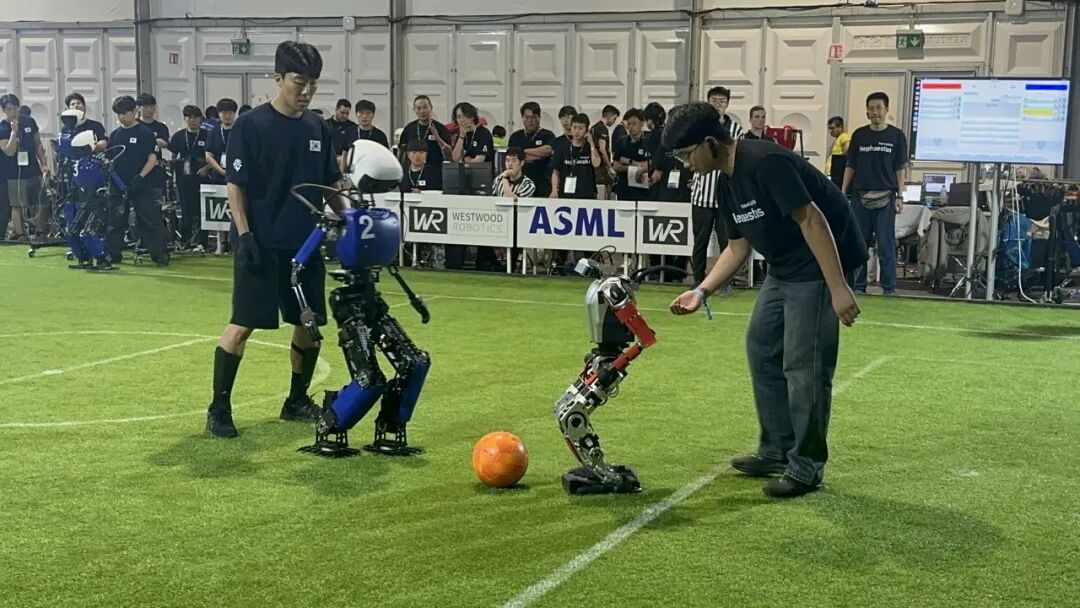
“RoboCup is not just a game,” Zhao says. “It’s a benchmark for AI and robotics.” Unlike chess or Go, robot soccer requires real-time perception, decision-making, and physical coordination. That is why RoboCup, with its ambitious goal of developing humanoid robots capable of defeating human champions by 2050, remains one of the most demanding and inspiring arenas for robotics research.
Currently, the team competes in the AdultSize Humanoid League in 2 vs 2 matches. To find worthy rivals, the team traveled to Germany in 2023 and won the RoboCup European Open, using the opportunity as a trial run for the world championship in Brazil.
Not Just a Competition Team
— A Platform for Innovation
“The team started for teaching purposes,” Zhao explained. “But over time, it has become a platform for long-term innovation, education, and research.” New undergraduate students join the team each year and begin with basic operations. As they progress, they take on deeper algorithmic challenges and, if they pursue graduate study, contribute to system-level design and research.
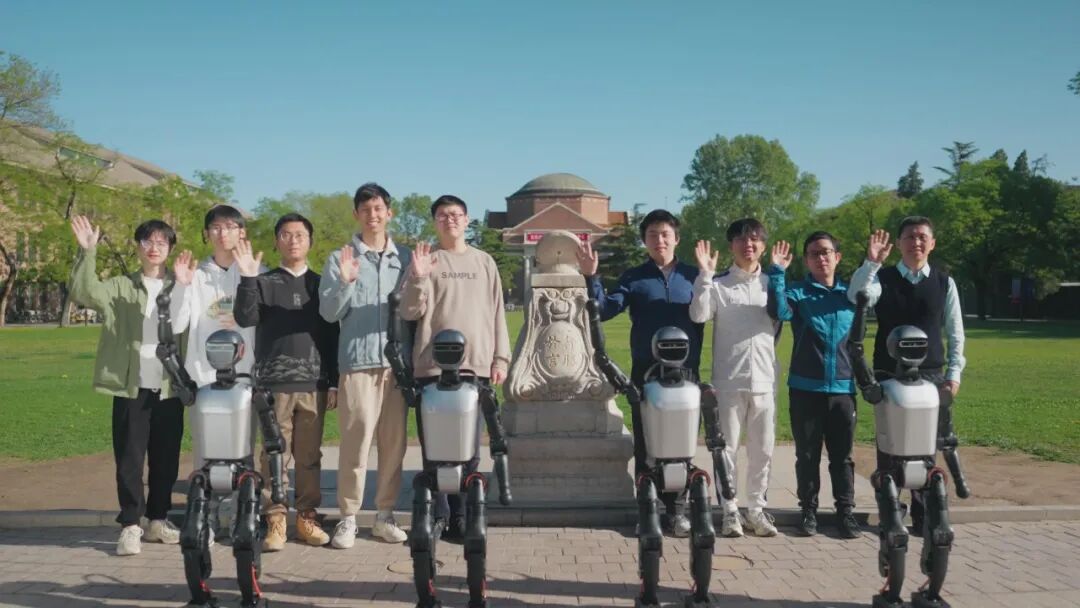
Unlike many international teams led by PhDs, Tsinghua’s undergraduate-centered approach is rare but highly effective. The team’s graduates have gone on to establish startups, including the one that now supplies the humanoid robots used by the Huoshen Team.
Teaching Robots to Get Up
— in Under Two Seconds
One of the team’s recent breakthroughs involved robot recovery: how to make a robot quickly and reliably stand up after a fall. “Previously, a robot needed nearly 10 seconds to get up, and if the pose wasn’t just right, it would fail,” Zhao said.
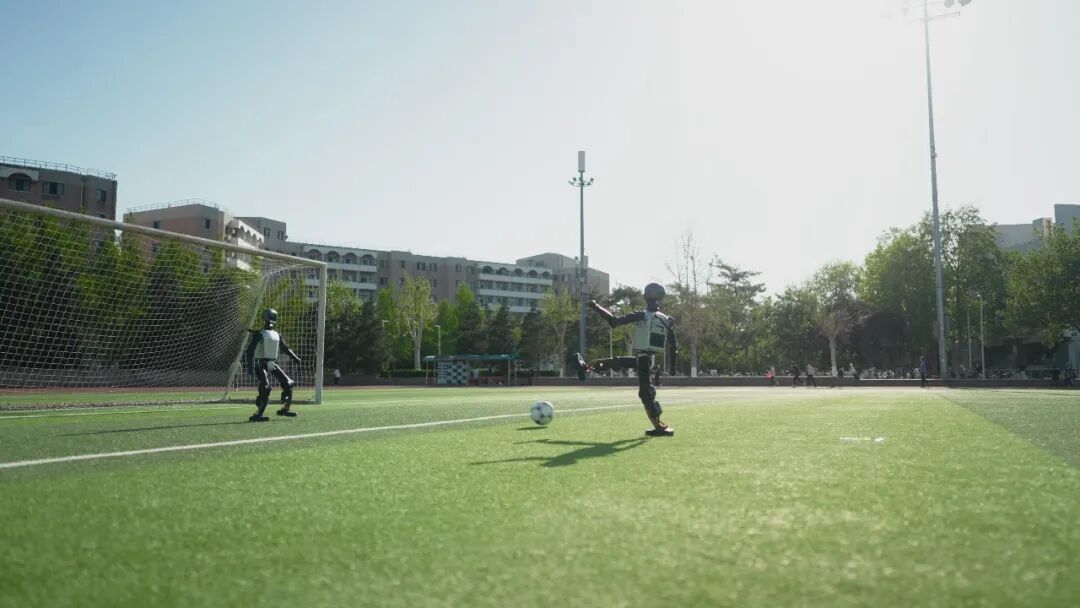
Using a method called curriculum reinforcement learning, the team first trained robots in simplified simulations and then progressively increased the difficulty. The result is a robot that could get up in under three seconds, with near-perfect reliability across diverse conditions. “It surprised even us,” Zhao said. The success attracted international attention during a public demo match and inspired other teams to follow suit.
Reinventing RoboCup:
From Followers to Leaders
“Most teams aim to meet the rules. We aim to change them,” Zhao said with a smile. The Huoshen Team is not satisfied with playing the game — they want to reshape it. They have been testing 3 vs 3 and even 5 vs 5 matches, developing hardware that can withstand longer, more intense gameplay, and algorithms that enable fluid cooperation and autonomous decision-making on the field.
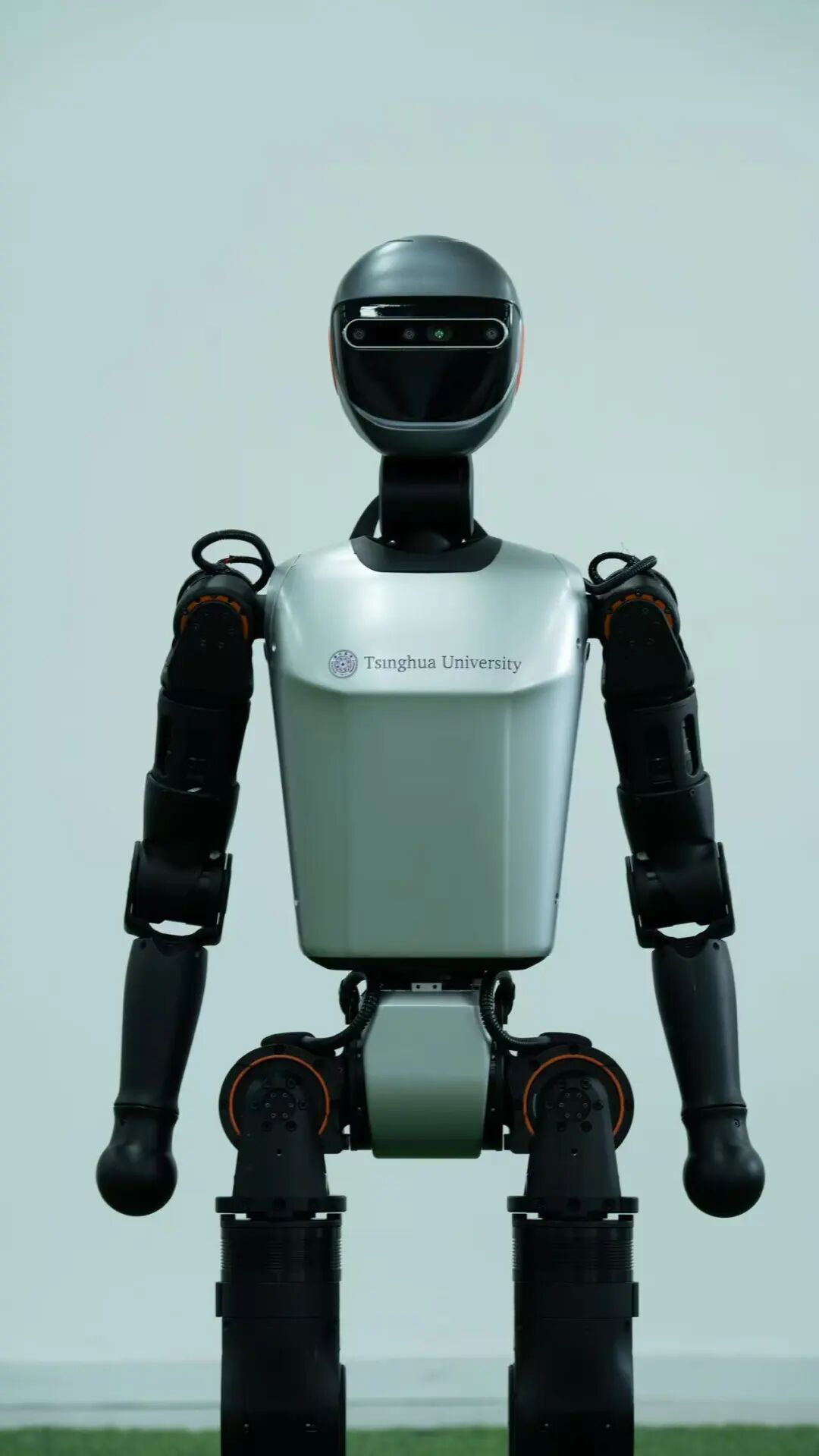
Their recent shift toward end-to-end learning, where robots learn to act directly from visual input without modularized perception or planning, is also reshaping the technical landscape. “We’re designing the entire network structure ourselves and training it on real gameplay data,” Zhao explained. The goal is a fully integrated intelligent agent, capable of dynamic, real-time response.
Paving the Way for the Future
Looking back over 21 years, Zhao reflected on what matters most: not just results, but impact. “Students come in wanting to do research, to innovate. We challenge them to explain not just what they did, but how they did it — and why it matters.” Many of the students have gone on to lead robotics companies, contribute to global conferences, and develop next-generation platforms after graduating. Their experience in the team, Zhao believes, instilled not just technical skills, but a sense of purpose. “It’s no longer about winning. It’s about contributing something new to the field.”
Even today, as AI and robotics evolve at an unprecedented pace, Zhao keeps the team focused on long-term goals. “Maybe we won’t be the ones to finish the journey,” he said. “But we want to be the ones to build the path.”